After air conditioning, your pool pump is usually the biggest electricity user in a Phoenix home. Yet most Moon Valley pools are still running the same style of single-speed pump that came with the house, roaring away at full power for eight hours a day whether the pool needs it or not.
So when that old pump finally starts screeching, or when the summer power bill lands hard, the question comes up: is a variable-speed pump actually worth the higher price tag? In our experience, this is the rare upgrade where the honest answer is almost always yes. Here’s the math, the fine print, and the parts the sales brochures skip.
The problem with your old single-speed pump
A single-speed pump has exactly one setting: everything. Because it can only run flat-out, it burns the same power whether it’s filtering calm, clean water on a Tuesday or chewing through storm debris. On top of that, full speed is simply more than daily filtration needs. Your water doesn’t need to be shoved through the plumbing; it needs to be turned over gently and completely.
Meanwhile, that brute-force approach costs you three ways. It draws roughly 1,800 to 2,300 watts every hour it runs. It wears out seals, bearings, and o-rings faster, because everything vibrates at maximum. And it’s loud, which matters more than people admit in an established neighborhood like Moon Valley where the equipment pad often sits a few feet from a bedroom window or a patio wall.
How a variable-speed pump changes the math
A variable-speed pool pump lets you run the motor at low speed for most of the day, and pump physics makes that hugely efficient: cutting speed in half cuts power use to roughly one-eighth. As a result, variable-speed pumps typically use 50 to 80 percent less electricity than single-speed pumps while circulating the same amount of water.
That one-eighth number sounds like marketing, but it’s just physics. Pump power rises with the cube of motor speed, so small speed reductions produce huge energy reductions. In other words, a pump loafing along at half speed for sixteen hours moves more water than a pump screaming at full speed for eight, and it does it for a fraction of the kilowatt-hours.
What the savings look like in the Valley
Now put Arizona on top of that math. Because our swim season runs nine or ten months and summer pump schedules are long, we burn far more pump-hours than most of the country. For example, trimming a pool from around 16 kWh a day to around 4 saves several hundred kilowatt-hours every month of peak season. At typical Valley electricity rates, owners commonly see monthly summer savings in the range of a nice dinner out, every month, for the life of the pump.
That’s why the payback window most owners experience lands around two to three years. After that, the pump is effectively paying you. And since quality variable-speed pumps routinely last as long or longer than the single-speed units they replace, the majority of the pump’s life is spent on the profitable side of that line.
The wins nobody puts on the brochure
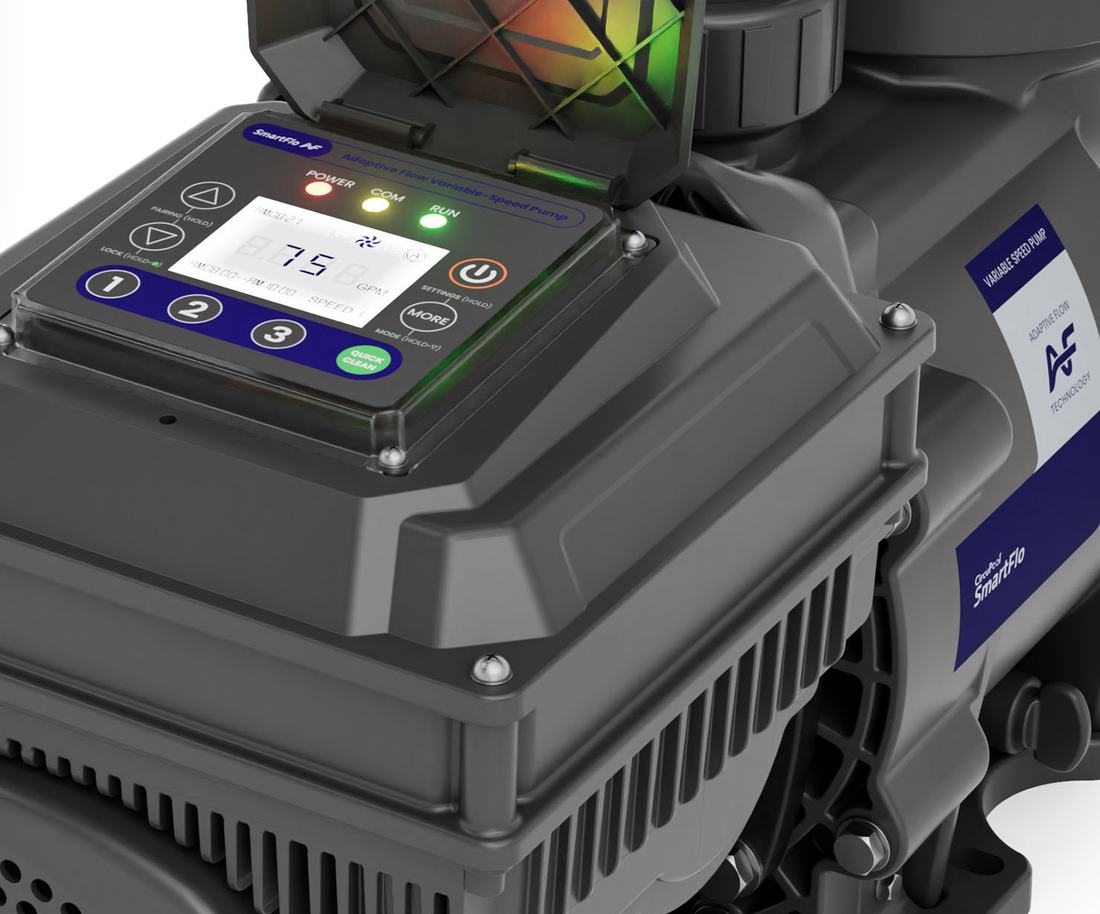
The electric bill gets the headlines. Still, the quieter benefits are the ones our Moon Valley customers mention most. First, the silence: at low RPM a variable-speed pump hums so softly you’ll check whether it’s actually on. Second, filtration quality improves, because slow water spends more time in contact with the filter media instead of blasting through it. Third, the gentler duty cycle extends the life of everything downstream, from o-rings to filter internals. And finally, if you have a salt system or a heater, a programmable pump makes it easy to guarantee the minimum flow those units need to run safely.
One more thing worth knowing: federal efficiency rules that took effect in 2021 mean most new pool pumps sold in the U.S. must meet variable-speed-level efficiency anyway. In short, the industry has already moved. The question isn’t really whether you’ll end up with a variable-speed pump; it’s whether you upgrade on your schedule or your old pump’s.
Rebates, and the schedule that unlocks the savings
Both APS and SRP have run rebate programs for qualifying variable-speed pool pumps over the years. Because the amounts and terms change, we won’t quote a number that might be stale by the time you read this; instead, check your utility’s current residential rebate page, or just ask us and we’ll tell you what’s active this season.
Just as important, the pump only saves money if it’s programmed well. The winning pattern for most Valley pools is a long, low-RPM circulation block (which is where the savings live), plus a shorter higher-RPM window each day for the skimmer and suction cleaner to do real work, plus whatever minimum flow your salt cell or heater demands. If that sounds like a lot to dial in, it’s a ten-minute job for our techs, and it builds on the same runtime logic from our pump runtime guide.
When the upgrade can wait
To be fair, there are a few cases where we’d tell you to hold off. If your single-speed pump is only a year or two old and running well, the greenest dollar is the one you don’t spend; run it until it ages, then switch. Likewise, if you’re selling the house this spring, you may not be the one who collects the savings, although a new pump is a genuine selling point. For everyone else, and especially for anyone whose pump is eight-plus years old or already making noise, the math is lopsided in favor of upgrading now.
Questions Moon Valley pool owners ask us
How much does a variable-speed pool pump save?
Typically 50 to 80 percent of your pump’s electricity use, which in Arizona’s long season adds up fast. Exact savings depend on your old pump’s size, your schedule, and your utility rate, but most Valley owners see the purchase pay for itself in roughly two to three years.
What speed should I run a variable-speed pump?
Low and long is the rule. Run a low-RPM block for most of the day for filtration and savings, then add a short higher-RPM window so the skimmer and cleaner work properly. Pools with salt cells or heaters also need to respect those units’ minimum flow.
How long do variable-speed pumps last?
Quality units commonly run 8 to 12 years and often longer, helped by the gentler low-RPM duty cycle. Because the motor is a sealed permanent-magnet design, they also tend to shrug off dust and heat better than the old open-frame motors.
What’s the real difference between single-speed and variable-speed?
One setting versus a programmable range. Since pump power rises with the cube of speed, the ability to run slow is worth real money: half speed uses roughly one-eighth the power. Single-speed pumps simply never get access to that math.
Can I just replace the motor instead of the whole pump?
Sometimes, yes. Variable-speed retrofit motors exist for some wet ends, and they can be a smart middle path. However, if the pump body, seals, and basket housing are also aging, a full replacement usually costs little more and resets the whole clock.
Is installing a variable-speed pump a DIY job?
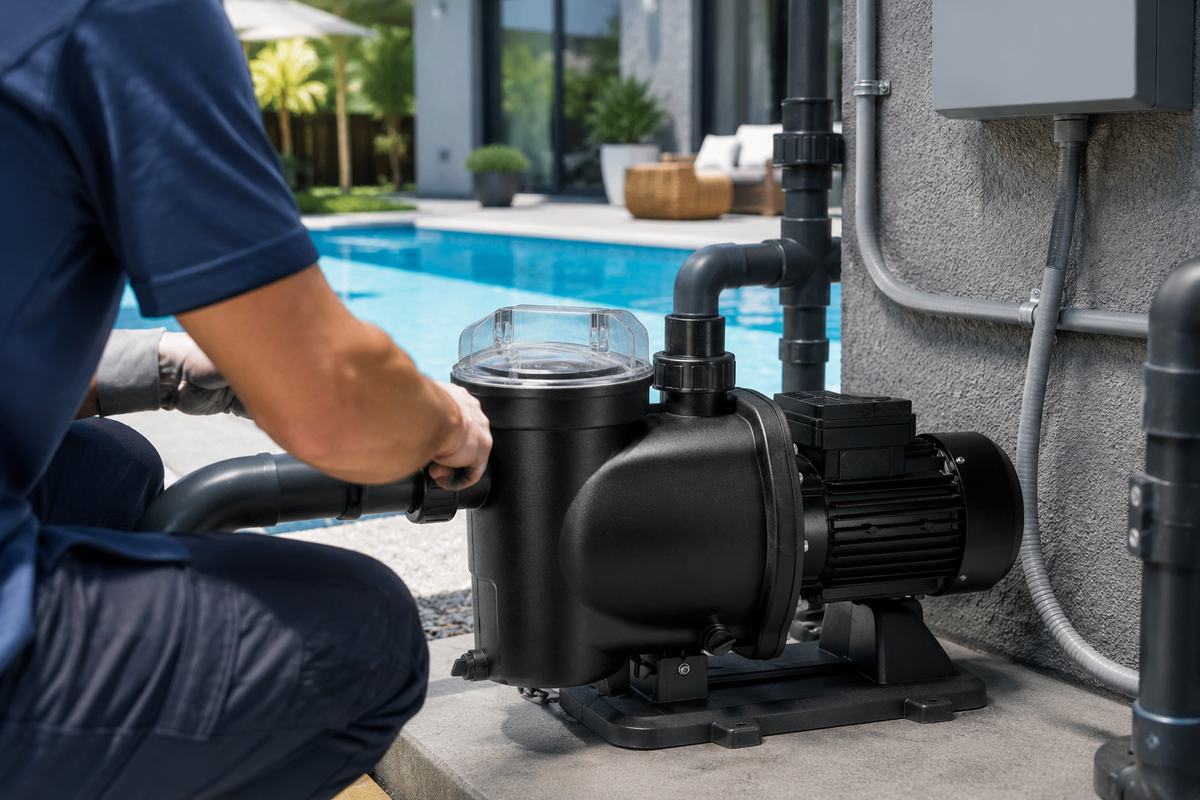
We’d advise against it. The plumbing is the easy part; the wiring, bonding, and programming are where mistakes get expensive, and improper installation can void the manufacturer’s warranty. A professional install also comes with the schedule set up correctly from day one.
Ready to stop paying for noise?
If your pump is due, the upgrade math in Arizona is about as friendly as home improvements get. Orange Tree Pool Service handles variable-speed pump installation from sizing and rebate guidance through programming, and our pump repair team can tell you honestly whether your current pump has life left. We serve Moon Valley and the whole north Phoenix area, and our weekly pool service in Moon Valley keeps the new pump on its best schedule year-round. Call (623) 343-0400 or request a free quote.
Comment question: if you’ve already made the switch, what surprised you more, the power bill or the silence? Your neighbors reading this genuinely want to know.