Salt Water vs. Chlorine Pools: Which Is Better for a Phoenix Pool?
The first thing to understand about the salt versus chlorine debate is that a salt water pool is still a chlorine pool. A salt system does not replace chlorine, it generates chlorine automatically from salt dissolved in the water, using a device called a salt chlorine generator. So the real question is not salt or chlorine, it is whether you want to add chlorine manually or have the system produce it for you. In the Phoenix heat, where chlorine burns off fast and pools get heavy year-round use, that convenience is a real advantage, but salt systems come with tradeoffs that matter in the desert, especially with our hard water.
This guide compares how each system works, the true costs, the maintenance reality, and which one tends to make more sense for a Phoenix pool.
How Salt Water and Chlorine Pools Actually Differ
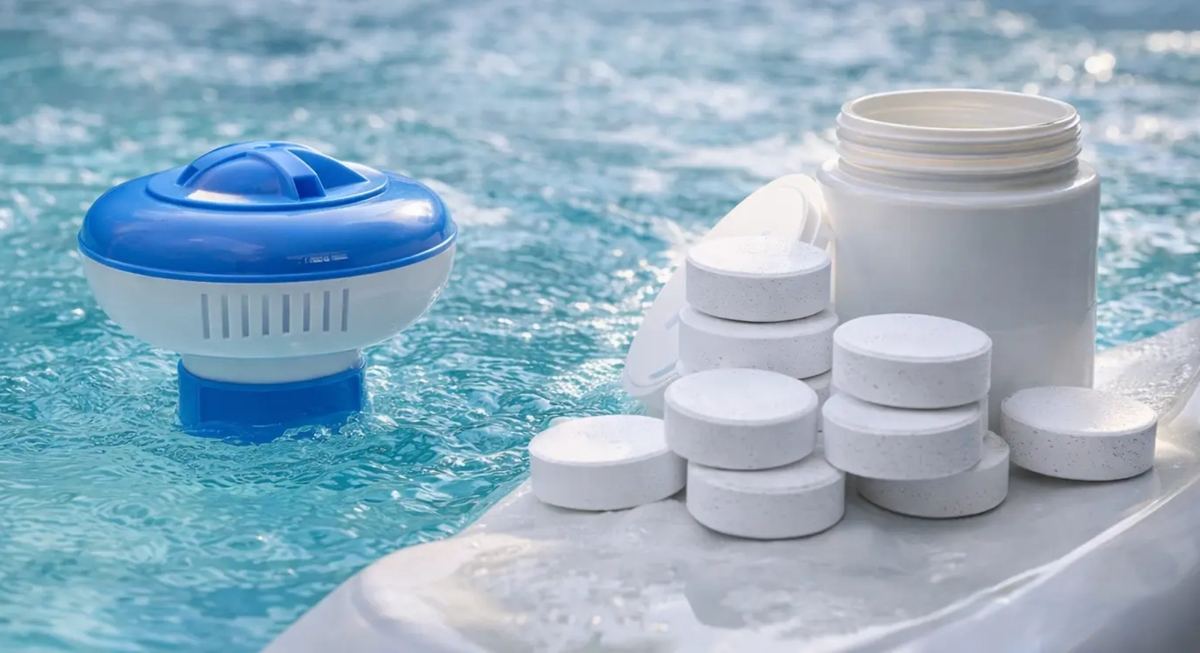
A traditional chlorine pool relies on you, or your pool service, to add chlorine directly, usually as liquid, tablets, or granular shock. You control the dose, and the chlorine sanitizes the water and then gets consumed by sun, debris, and swimmers.
A salt water pool uses a salt chlorine generator, also called a salt cell, that runs the pool water past electrically charged plates. That process, electrolysis, splits the dissolved salt to produce a steady, low level of chlorine on its own. The salt is not used up, it recirculates, so you add it only occasionally to top off. The result is chlorine that is generated continuously rather than dosed by hand, which tends to produce softer-feeling water with less of the harsh chlorine smell.
Both systems sanitize with chlorine. The difference is how that chlorine gets into the water, and that difference drives everything about cost, maintenance, and feel.
The Real Cost Difference
Cost is where the two systems separate most clearly, and it splits into upfront and ongoing.
A salt system costs more upfront. Installing a salt chlorine generator on an existing pool is a meaningful equipment investment, and the salt cell itself is a wear item that needs replacement every three to five years, which is a recurring cost. A traditional chlorine setup has almost no equipment cost to start, since you are simply adding chlorine.
Ongoing, the math flips. Salt pools generally cost less to run month to month because you are buying salt, which is inexpensive, instead of a steady supply of chlorine. Over the life of the pool, many owners find the lower ongoing chemical cost offsets the upfront investment, particularly in Phoenix where a long swim season means you are sanitizing the water nearly year-round. If you are weighing a conversion, a professional can look at your specific pool and equipment and give you a real number through our salt systems service.
The Maintenance Reality in the Desert
Salt systems are often marketed as maintenance-free, and that is not quite true, especially in Phoenix. A salt pool still needs balanced water. You still test and manage pH, alkalinity, and cyanuric acid, and in fact salt pools tend to push pH upward, so pH management is an ongoing task. Our hard water adds another wrinkle, because high calcium can scale the salt cell itself, which reduces its ability to produce chlorine and shortens its life. Cells in hard-water areas need periodic cleaning to remove that calcium buildup.
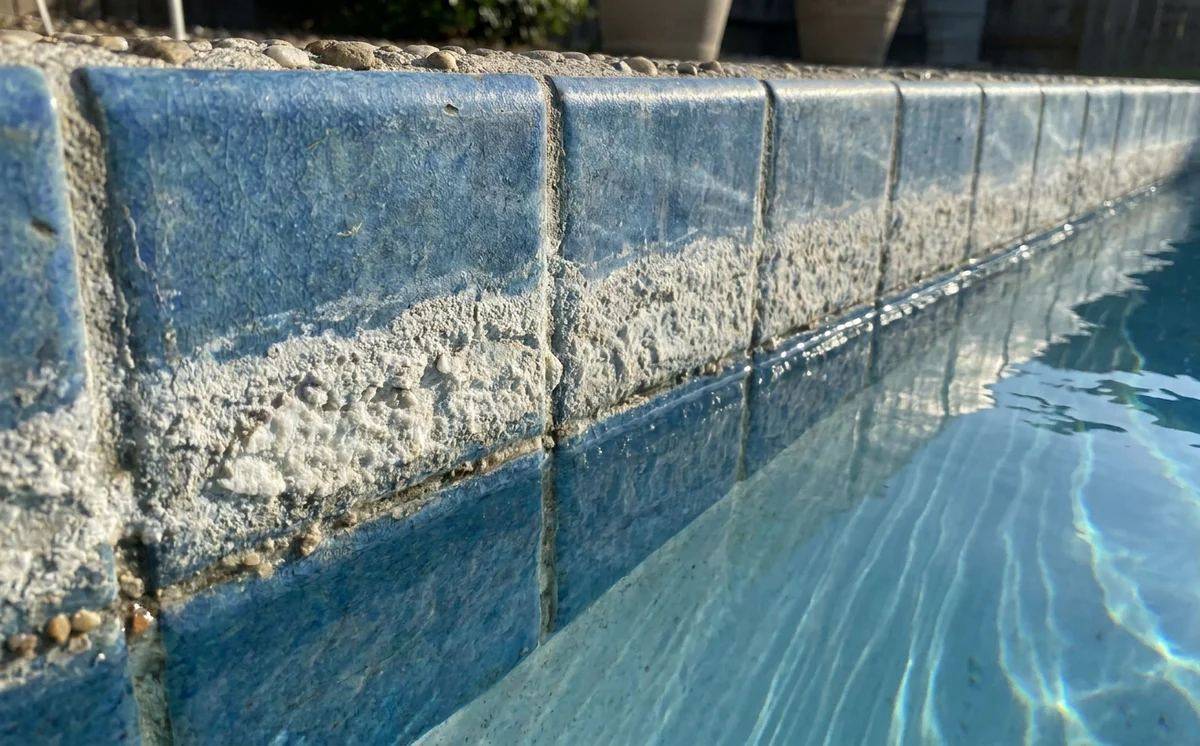
There is also a materials consideration that matters in Arizona backyards. Salt is mildly corrosive over time, and it can affect certain natural stone coping, decking, and some heater components. Pools with natural stone features common in higher-end Valley homes benefit from sealing and care to prevent salt-related wear.
None of this makes salt a bad choice. It means a salt pool is lower-effort day to day but still needs regular attention, and in Phoenix that attention includes managing pH and protecting the cell from hard-water scale. Whether salt or traditional chlorine, consistent weekly pool service is what keeps the water balanced and the equipment healthy.
Which One Is Better for a Phoenix Pool?
There is no universal winner, but the desert tilts the decision in specific ways. A salt system tends to make sense if you want lower day-to-day effort and softer water, you plan to keep the pool long enough for the ongoing savings to pay back the upfront cost, and you are prepared to manage pH and keep the cell clean of calcium. A traditional chlorine pool tends to make sense if you want to avoid the upfront equipment cost, you prefer direct control over sanitizer, or your pool has extensive natural stone you would rather not expose to salt.
For many Phoenix homeowners with a long swim season and heavy use, the convenience and softer water of a salt system are worth it, provided the hard water and pH are managed properly. The failure point is almost always a neglected cell scaling up or unbalanced water, not the salt system itself. Modern salt generators also pair well with pool automation, letting you monitor and adjust chlorine output from your phone.
One important note: if a salt cell stops producing chlorine and goes unnoticed, a salt pool turns green just as fast as any other pool in the summer heat. Catching a failing cell early is part of why regular service matters, and if a bloom does happen, our green-to-clean recovery service resets the water quickly.
Thinking about converting to salt, or having trouble with an existing salt cell? Call Orange Tree Pool Service at (623) 343-0400 or schedule a consultation and we will help you choose the right system and keep it running.
Final Thoughts
The salt versus chlorine choice comes down to how much day-to-day involvement you want and how long you plan to keep the pool, because both systems ultimately sanitize with chlorine. Salt offers convenience and softer water at a higher upfront cost, while traditional chlorine is cheaper to start and gives you direct control. In the Phoenix heat and hard water, a salt system rewards owners who keep pH balanced and the cell free of scale. Orange Tree Pool Service installs and services salt systems and maintains both salt and chlorine pools across Phoenix and the surrounding communities. Call (623) 343-0400 or schedule service online.