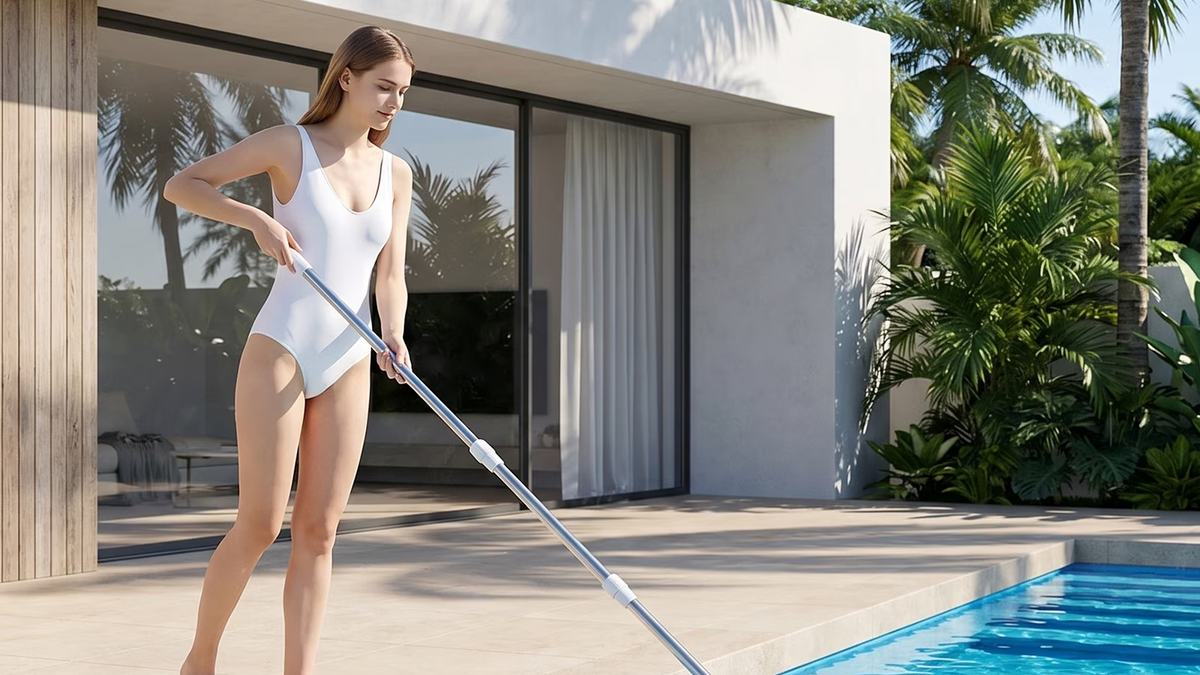

Every North Scottsdale pool owner learns the same seasonal joke: you spend June through September wishing the pool were cooler, and then, right when the weather turns perfect for being outside, the water turns too cold to enjoy. By Halloween, an unheated Valley pool has usually dropped out of comfortable swimming range, and it won’t come back on its own until April.
So the real question isn’t whether a heater works. It’s whether the swimming you’d gain is worth the cost, and if so, which type of heater fits how your family actually uses the pool. Because heat pumps and gas heaters solve the same problem in completely different ways, picking the right one matters more than picking the fanciest one.
What you’re actually buying: months, not warmth
First, reframe the purchase. A heater doesn’t make summer better; our summers handle that for free. Instead, a heater buys you October, November, March, and April, and depending on how aggressive you want to be, the winter in between. For a family that loves the pool, that’s potentially doubling the usable season of the most expensive feature in the backyard.
The two contenders, honestly compared
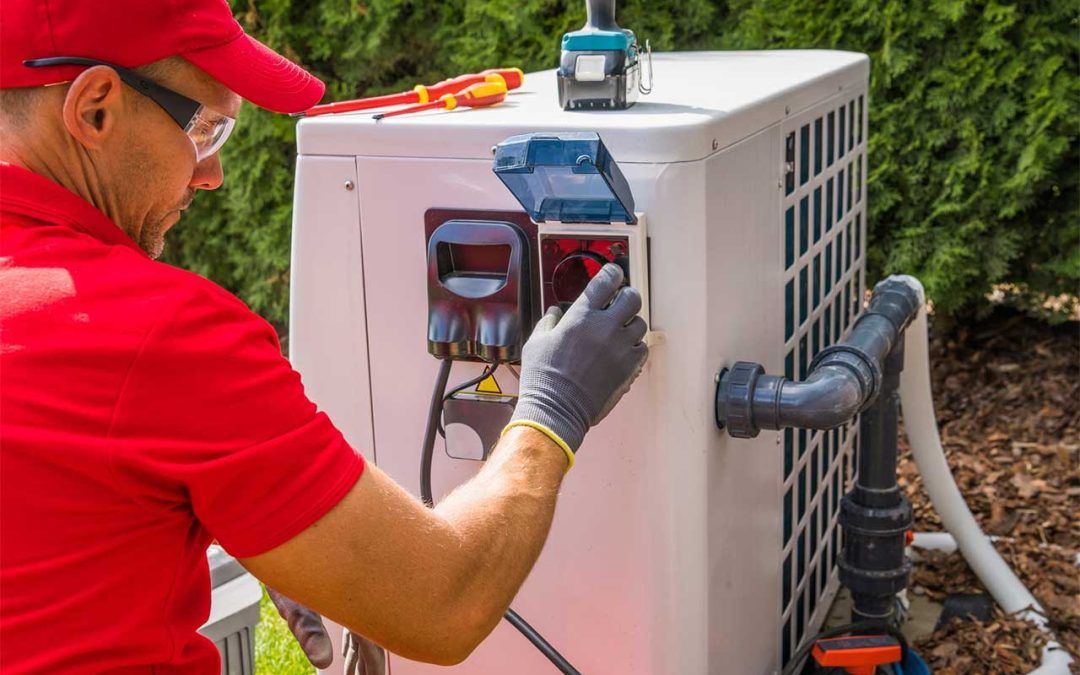
A gas pool heater burns natural gas or propane to heat water fast, works in any weather, and costs more per hour of heating. A pool heat pump pulls heat from the outside air, heats slowly but at a fraction of the operating cost, and works best when air temperatures stay above roughly 50 degrees. In Arizona’s mild winters, both are viable, which is exactly why the choice depends on how you swim.
Gas heater
Raises water temperature quickly, often a degree or more per hour. Works on the coldest night of the year. Costs the most to run per session.
Best for: spas, weekend swimmers, and heat-it-when-you-want-it households
Heat pump
Moves heat from the air instead of making it, so it delivers several times more heat per dollar. Slow to raise temperature, great at holding it.
Best for: keeping the pool warm for weeks or months at a time
Solar (the quiet third option)
Roof panels use our most abundant resource. Nearly free to run, but dependent on sun and roof space, and slowest of all.
Best for: stretching the shoulder seasons on a budget
Here’s the practical translation. If your dream is a 102-degree spa on a Friday night and the occasional heated pool weekend when family visits, gas wins, because speed is the whole point of on-demand heating. On the other hand, if you want the pool sitting at 85 degrees every day from October through Thanksgiving, the heat pump wins by a mile, because holding a temperature efficiently is precisely what it’s built for. And plenty of North Scottsdale pool-and-spa combos end up with both: a heat pump maintaining the pool, with gas on standby for fast spa heats.
Why Arizona is heat pump country
Heat pumps struggle in genuinely cold climates because there’s little heat in freezing air to harvest. But look at our winters: Valley daytime highs in December and January typically sit in the 60s. That’s comfortably inside a heat pump’s happy zone, which means the efficient option stays efficient here through most of the season, something owners in Denver or Chicago can’t say. In other words, Arizona is one of the best heat pump climates in the country, and it’s why we install more of them every year.
One caveat worth knowing: on those cold snap nights when temperatures dip near freezing, a heat pump’s output drops noticeably. If your goal includes swimming on the coldest week of the year, that’s the case for gas, or for the combo setup.
The one accessory that changes the math: a cover
Whichever heater you choose, most of the heat your pool loses escapes from the surface, primarily through evaporation. Because of that, a simple solar cover during the heating months can cut heat loss dramatically, which shrinks your operating cost no matter what’s making the heat. We tell every heater customer the same thing: the cover is the cheapest component in the whole system and it pays for itself first.
Sizing and setup, briefly
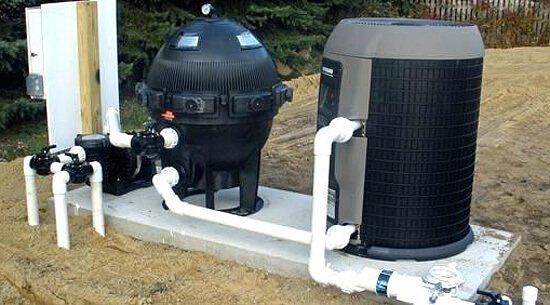
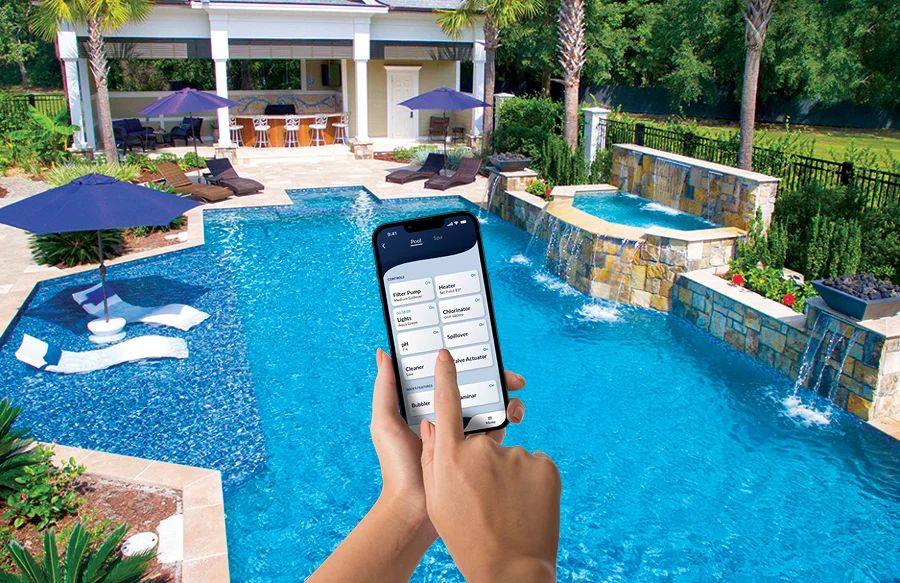
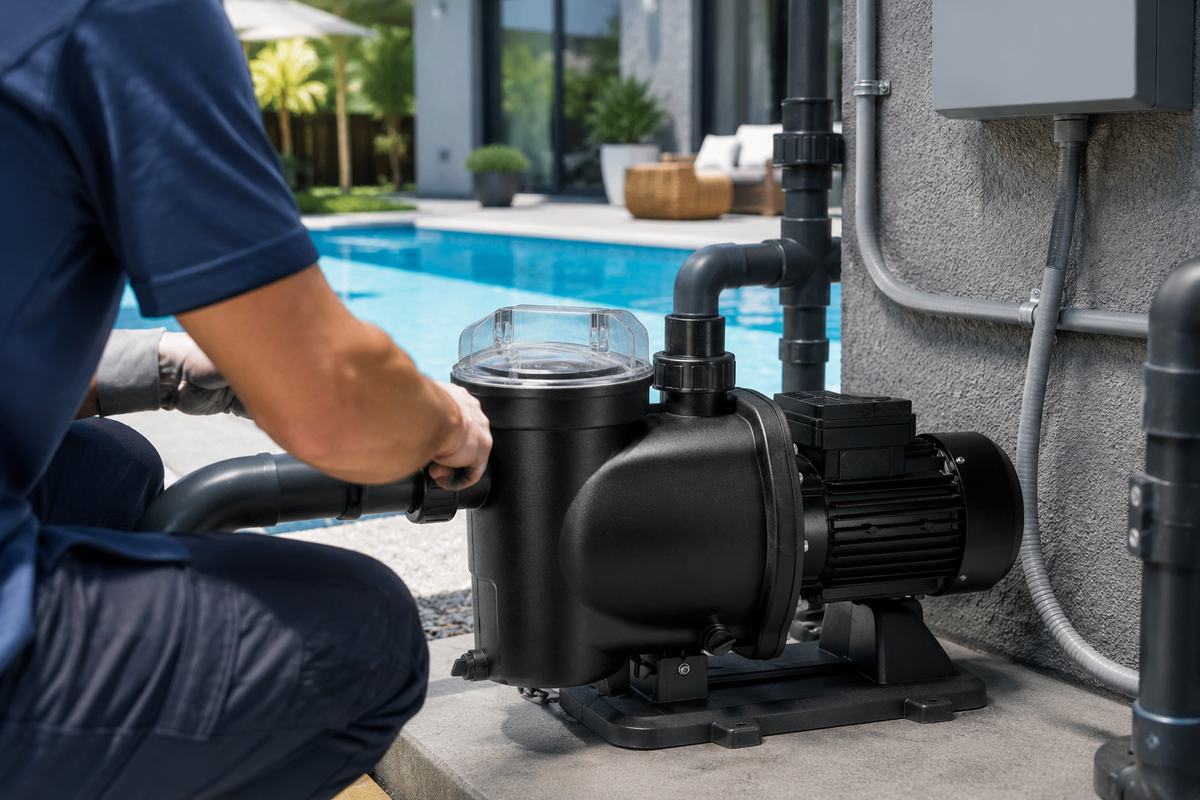
Heater sizing depends on your pool’s surface area, your target temperature, and how fast you want to get there, not just gallons. Undersize a gas heater and it runs forever; undersize a heat pump and it never catches up on cool days. Beyond sizing, gas heaters need adequate gas line capacity (a common surprise on older homes), while heat pumps need electrical capacity and a bit of airflow room. This is also the perfect moment to add automation, since heating from your phone is the feature that makes a heater effortless to actually use.
Questions North Scottsdale pool owners ask us
How much does it cost to heat a pool in Arizona?
It depends on the heater type, the months you heat, your target temperature, and whether you cover the pool. As a rule, heat pumps deliver the same warmth for a fraction of gas’s operating cost, while gas costs more per session but heats on demand. We’re happy to run the numbers for your specific pool.
Do pool heat pumps work in winter here?
Yes, for most of it. Valley winter days are usually warm enough for a heat pump to run efficiently. Output does drop during cold snaps near freezing, so owners who insist on swimming through the coldest weeks often pair a heat pump with gas backup.
How fast does a gas heater heat a pool?
Properly sized, a gas heater typically raises pool temperature around one degree or more per hour, and a spa much faster because of its small volume. That speed is exactly why gas remains the standard for spas and on-demand heating.
Can one heater run both the pool and the spa?
Yes. With the right valve setup, one heater serves both, and automation switches between them. Households that heat the spa often and the pool occasionally usually size the heater for fast spa performance first.
Is a solar cover really necessary with a heater?
Necessary, no. Financially wise, absolutely. Most heat escapes from the pool’s surface through evaporation, so a cover keeps the warmth you paid for in the water. It’s the highest-return accessory in pool heating.
What lasts longer, a gas heater or a heat pump?
Heat pumps generally have the edge in lifespan, often running 10 years or more, while gas heaters commonly serve 5 to 10 depending on water chemistry and use. Balanced water is the biggest life-extender for either, since scale and corrosion are what kill heat exchangers.
Swim in November. It’s better here anyway.
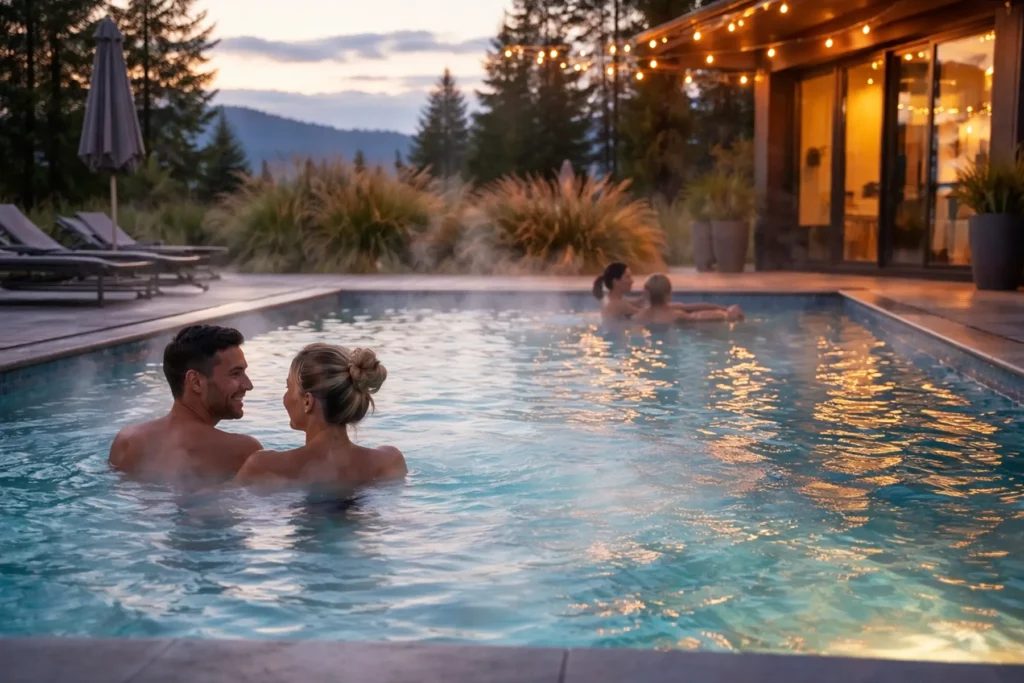
Fall is genuinely the best season to be outside in Arizona, and a heated pool is how you keep the backyard invited to it. Orange Tree Pool Service handles pool heater installation for both gas and heat pump systems, sizes them honestly for your pool and goals, and our heater repair team keeps existing units running strong. We serve North Scottsdale and the whole Valley, and our weekly pool service in North Scottsdale keeps the chemistry balanced so your heat exchanger lives a long life. Call (623) 343-0400 or request a free quote.
For the comments: what’s your target water temperature, and how late into the year do you try to swim? We’re collecting the Valley’s unofficial consensus on the perfect 85-degree pool.